
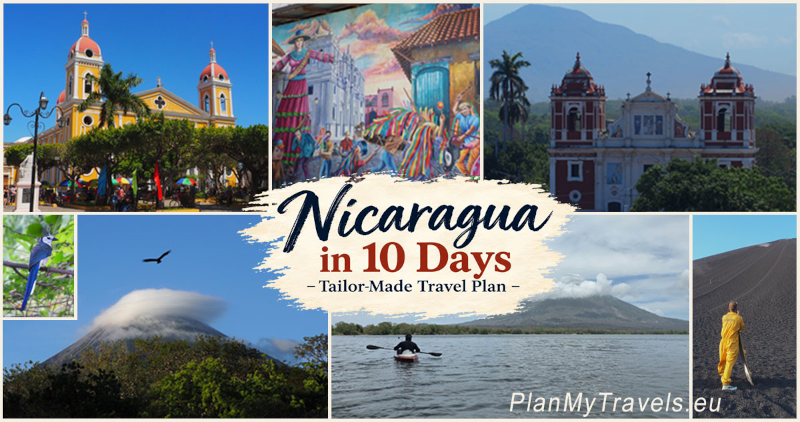
Nicaragua had never been high on my travel wish list. A few weeks before departure, unexpected circumstances forced us to change our original plans. As a result, we ended up travelling to a country I knew very little about.
Perhaps that is exactly why this journey turned out to be so special.
Nicaragua in 10 days – surrounded by the volcanoes
I visited Nicaragua in early April, during Holy Week celebrations. Over several days, I travelled between colonial cities, active volcanoes, tropical islands, and places I had never even heard of.
Before the trip, I mainly associated Nicaragua with volcanoes. Once I arrived, I quickly discovered that the country has much more to offer. I was captivated by colourful colonial cities, spectacular landscapes, tropical wildlife and places full of contrasts. Here, I kayaked alongside caimans for the first time, watched curious monkeys peering into boats on the Isletas de Granada, walked through a forest frozen in time by a volcanic eruption, and slid down the slope of an active volcano.
In this post, I share the itinerary I would happily choose again for a first trip to Nicaragua. It is not an exact recreation of my journey, but rather a tailor-made travel plan based on the places that impressed me the most.
How to Organise a Trip to Nicaragua?
I explored Nicaragua as part of an organised tour, so I did not have to worry about transportation between destinations. After returning home, however, I realised I could easily visit most places on this itinerary independently.
Renting a car offers the most flexibility, especially if you plan to visit both Ometepe and the country’s northern part, including Somoto Canyon and León.
Hiring a local driver or guide is also a good option, saving time while offering deeper insight into everyday life in Nicaragua.
Travellers on a tighter budget can rely on local buses. During my trip, I met many backpackers exploring the country this way, and they seemed to manage perfectly well.
Although Nicaragua isn’t as popular as Costa Rica or Mexico, I felt safe throughout the journey and was consistently welcomed by friendly, helpful people. I remember the warmth of the local communities most from this trip.
My Tailor-Made Nicaragua Itinerary
The itinerary described in this post takes around 10 days to complete. At the end of the article, you will also find suggestions for places worth adding if you have more time available.
This route combines colonial cities, active volcanoes, spectacular landscapes and lesser-known destinations that many travellers still overlook. Alongside Nicaragua’s best-known attractions, it also includes more authentic experiences, such as cooking with a local family, exploring monkey- and bird-filled tropical islands, hiking through a cloud forest, and floating through one of Central America’s most remarkable canyons.
If you are planning your first trip to Nicaragua and wondering where to start, this is the itinerary I would choose all over again.
Ometepe Island – Between Two Volcanoes
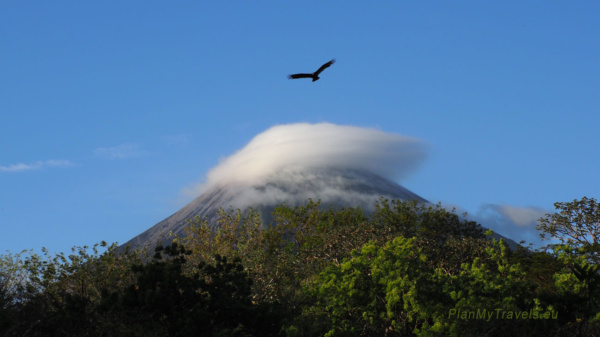
Spend at least two days on Ometepe Island. This is one of those places where slowing down is part of the experience. Even the ferry crossing over Lake Nicaragua makes you feel as if you are entering a completely different world. Two iconic volcanoes dominate the landscape, and life moves much more slowly than in Granada or León.
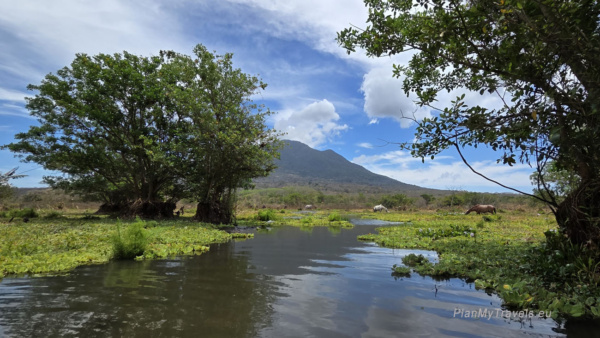
One of the island’s most rewarding activities is a kayaking tour along the Río Istián. Paddling through narrow channels surrounded by lush vegetation, you can spot dozens of bird species and, with a bit of luck, caimans basking along the riverbanks. It is a wonderful way to discover the island’s wilder side and experience Ometepe’s incredible biodiversity.
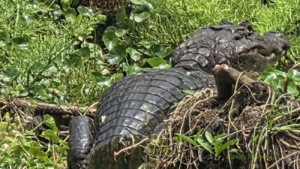
In the afternoon, head to Charco Verde Nature Reserve, one of the island’s most beautiful places. It has a small butterfly garden, but the real highlight is a walking trail that winds through dense tropical vegetation around a lagoon. Along the way, you may spot monkeys swinging through the trees, while scenic viewpoints and lakeside access points invite you to pause and take in the surroundings.
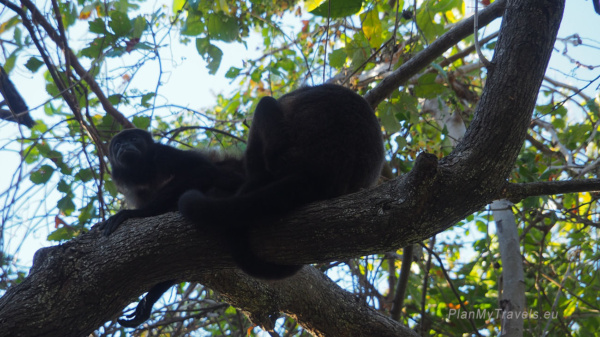
Charco Verde is also a great place for a leisurely walk without a strict itinerary. With towering trees, birdsong, and rustling leaves, it is easy to lose track of time. On hot days, cool off with a swim in the lake or relax on one of the small beaches dotted along the shore.
Ometepe is not defined by a single attraction. It’s best enjoyed at a slow pace. Morning mist rising above the volcanoes, abundant wildlife, kayaks gliding across calm waters, and monkeys hiding high in the treetops make this island truly unforgettable.
Good to Know
- Ferries to Ometepe depart from San Jorge. The crossing takes about one hour. Keep in mind that the ferry arrives at a different port than it departs from.
- Wearing a life jacket during the crossing is mandatory.
- Staying at least two nights on the island lets you explore Ometepe and its wildlife without rushing.
- It is a good idea to carry some cash. Outside the main towns, ATMs and card payments may not always be available.
- Book kayaking tours on Río Istián a day in advance.
- Bring water, insect repellent and a camera when visiting Charco Verde. Monkeys and birds are often spotted very close to the trails.
- If you plan to go for a walk, remember that the sun sets around 6:00 PM year-round in Nicaragua. Darkness falls almost immediately afterwards.
- Outside the main villages, most roads aren’t lit, and the main road that crosses the island often has no pavements.
- After sunset, many animals become active, including lizards, frogs and snakes. If you expect to return after dark, carry a good flashlight. Even better, plan your day so that you are back at your accommodation before sunset.
Granada – The Colonial Heart of Nicaragua
Granada deserves at least three days of your itinerary. The city is beautiful and serves as an excellent base for exploring some of the region’s most interesting attractions, including Isletas de Granada, Laguna Apoyo, Masaya Volcano, and the Mombacho Nature Reserve.
One of Central America’s oldest colonial cities, Granada impresses visitors from the moment you arrive with its colourful architecture. As you wander through its streets, you can’t miss the pastel façades, elegant colonial buildings, and abundant greenery. Although Nicaragua remains one of the poorest countries in the region, the city centre is clean, well-maintained and remarkably welcoming to visitors.

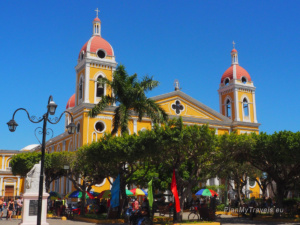
What impressed me the most was the atmosphere. The locals are incredibly friendly and cheerful, and in the evenings the city centre fills with families, music and conversation. During my visit, Holy Week celebrations were underway, giving me the chance to experience street performances, concerts, and community gatherings that added a special charm to the city.
One of Granada’s highlights is the cathedral rooftop. The view from the top is among Nicaragua’s most spectacular. From here, you can admire the red roofs of colonial buildings, Lake Nicaragua and the silhouette of Mombacho Volcano rising above the surrounding landscape.
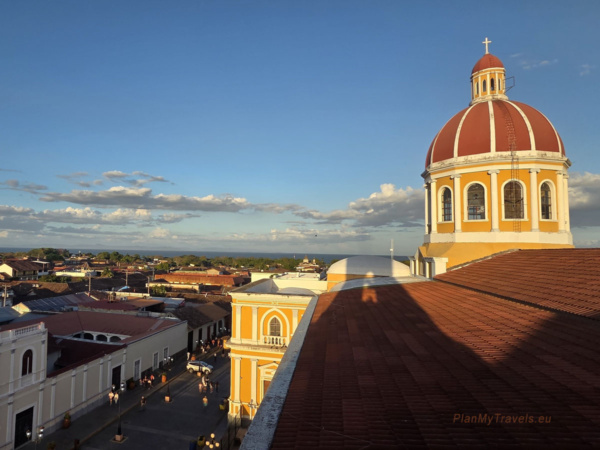
Granada is also known for its hotels, restaurants and cafés housed in beautifully restored colonial mansions. From the outside, many seem modest, but inside you’ll find lush courtyards filled with tropical plants. These peaceful oases offer a welcome escape from the heat of the city streets and the perfect place to slow down and enjoy Granada’s relaxed pace of life.
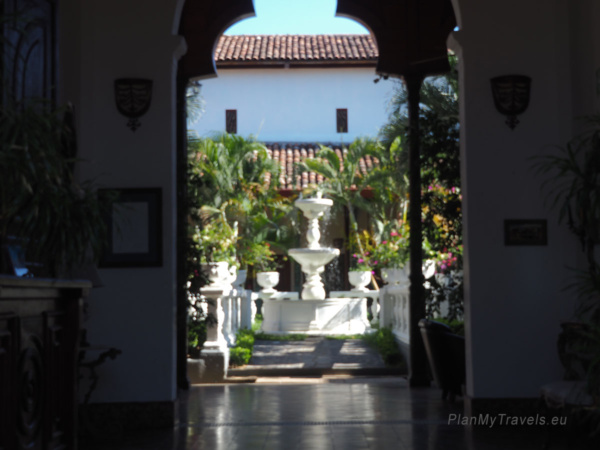
If you are planning a trip to Nicaragua, Granada is a destination worth staying longer. It is not only a beautiful colonial city but also the ideal gateway to some of the most fascinating places in western Nicaragua.
Isletas de Granada
Set aside at least a few hours to explore the Isletas de Granada, a remarkable archipelago of more than 300 small islands scattered across Lake Nicaragua. Born from an eruption of Mombacho Volcano thousands of years ago, the islands were created when huge amounts of rock and volcanic debris were thrown into Lake Nicaragua.
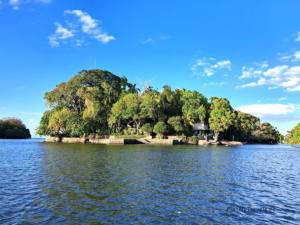
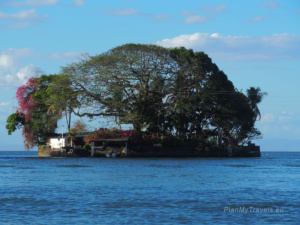
The best way to discover the archipelago is by boat or kayak. The Isletas feel like a world of their own. Each island is different. One may feature a luxury residence with a private dock, another a modest fisherman’s house, while others remain completely wild and covered with tropical vegetation.
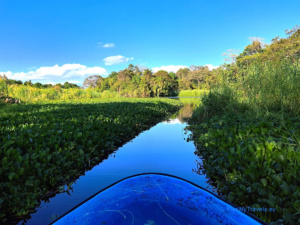
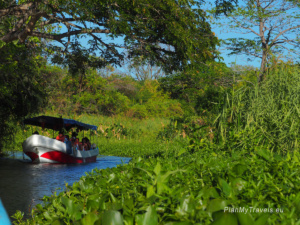
What fascinated me most during the trip was the wildlife. You don’t need to venture deep into the jungle or search through binoculars. Nature is literally all around you. Herons stroll through the reeds, ospreys perch on tree branches, and you can often spot monkeys moving between the islands.
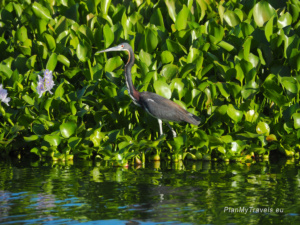
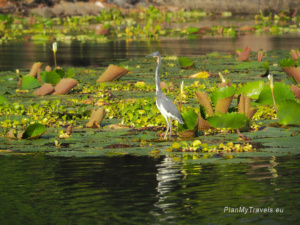
One island even hosts a small colony of rescued capuchin monkeys. Some are so curious that they carefully watch passing boats from just a few metres away. At times, I felt they were about to jump straight into our boat.
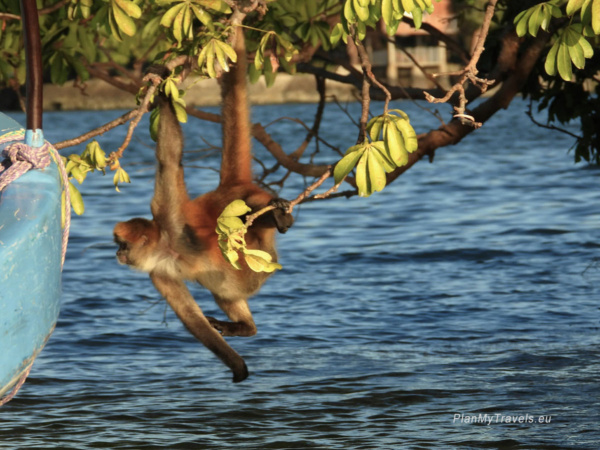
For years, the Isletas have attracted wildlife photographers from around the world. The abundance of birds, lush vegetation and extraordinary light conditions make even an ordinary boat trip feel like a memorable photographic adventure.
The contrasts are equally fascinating. Within minutes, you can pass a luxurious villa with a private garden, an old wooden fishing boat, a modest island home, and completely untouched corners accessible only by water. This combination of nature and everyday local life is what makes the Isletas so unique.
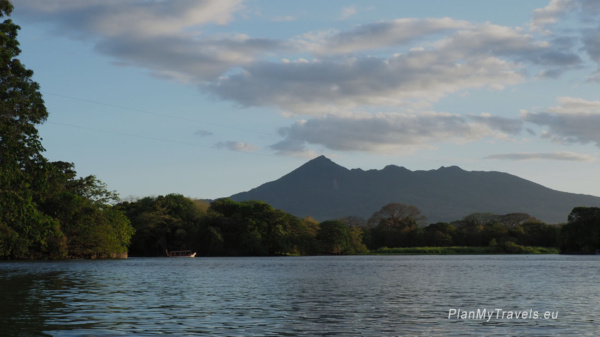
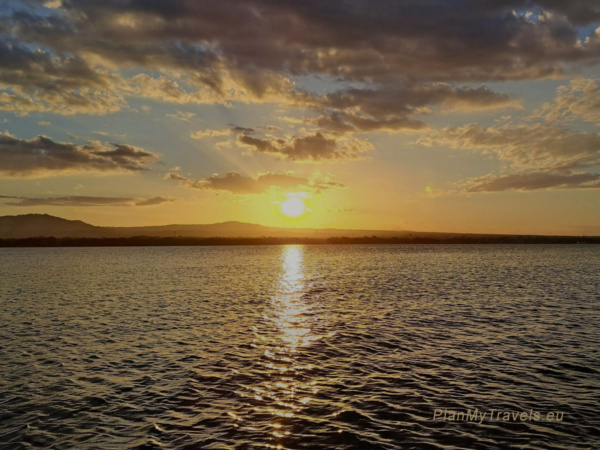
If you can, choose a late afternoon tour. As the sun dips below the horizon, the archipelago takes on a completely different character. Warm light reflects off the lake’s surface, while the silhouette of Mombacho Volcano creates one of the most beautiful landscapes in this part of Nicaragua.
Laguna Apoyo and Masaya Volcano
Dedicate a full day to exploring Nicaragua’s volcanic landscapes. Nowhere else is it easier to see how dramatically volcanic eruptions have shaped the country’s scenery.
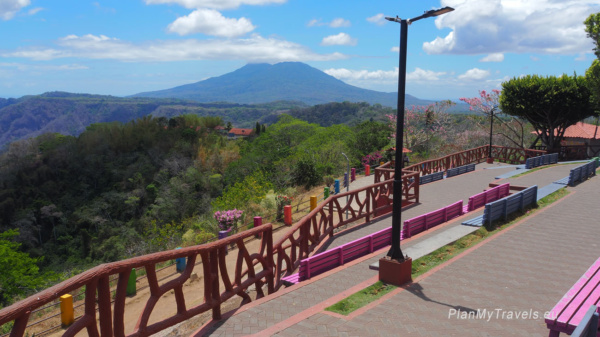
Start the day at Mirador de Catarina, one of Nicaragua’s most beautiful viewpoints. From the observation terraces, you can enjoy spectacular views of Laguna Apoyo, the surrounding hills and the volcanoes rising above the horizon.
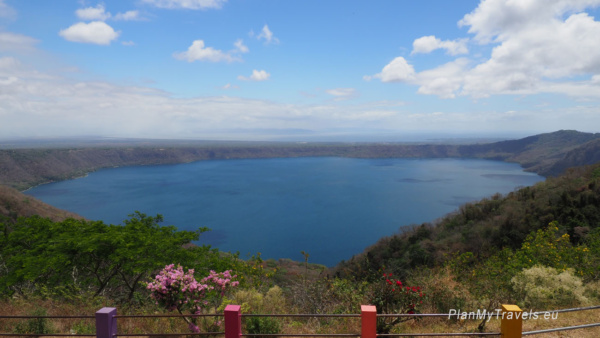
This is much more than a simple viewpoint. The area includes a small park with walking paths, restaurants, and a few additional attractions, including horse riding and a zipline. It is the perfect place to slow down, enjoy a coffee or lunch, and admire one of the most picturesque landscapes in this part of Nicaragua.
Just a few minutes away, Laguna Apoyo is a lake formed more than 20,000 years ago inside the crater of an extinct volcano. Unlike many mountain lakes, the water here is surprisingly warm, and the lush vegetation surrounding the lagoon creates a peaceful, almost tropical oasis. Several restaurants and lakeside retreats offer the perfect place to enjoy a meal with a view or simply relax before continuing your journey.
In the evening, head to Masaya Volcano, one of Nicaragua’s most remarkable natural attractions. After sunset, visitors can peer into the active crater and watch volcanic gases rise while a distinctive red glow illuminates the interior.
Standing just a few metres from the crater’s edge and looking into an active volcano where geological processes are still underway feels almost surreal.
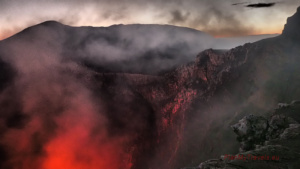
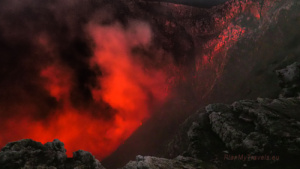
It is one of those travel experiences that stays with you long after you return home.
Mombacho – The Puma Trail and the Burnt Forest
The Mombacho Nature Reserve deserves a full day of exploration. Even getting there is part of the adventure. From the parking area below the summit, visitors board specially adapted trucks that climb the steep road into the reserve.
Mombacho is unlike most places you will visit in Nicaragua. Instead of dry, sun-baked landscapes, a humid cloud forest covers it. Within minutes on the trail, the air cools noticeably, and the path winds through towering trees, moss-covered rocks, and dense tropical vegetation.
Puma Trail
The most memorable part of my visit was the Puma Trail, which circles several extinct craters. The trail isn’t particularly technical, but high humidity, numerous stairs, slippery roots, and muddy sections make proper hiking footwear essential. Trekking poles can also help, especially on the steeper sections.
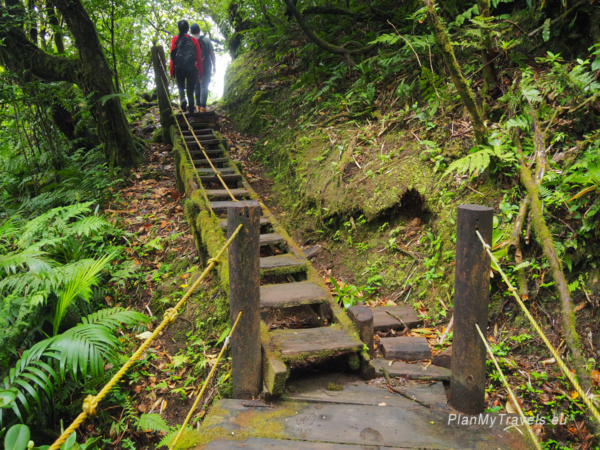
The effort pays off with extraordinary views and the chance to explore places shaped by the volcano’s history. One of the most fascinating parts is the burnt forest, a striking reminder of the volcano’s past activity.
Burnt Forest / Dead Forest
This part of the trail made the strongest impression on me. Dead tree trunks rise from the volcanic landscape like the remains of a forgotten world. It looks more like a film set or the aftermath of a catastrophe than a tropical forest. It is hard to believe that hundreds of years have passed since the eruption and that the forest still hasn’t fully recovered.
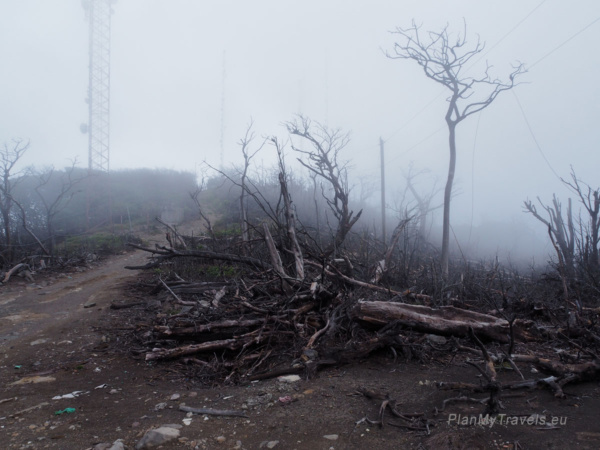
At the same time, nature is slowly reclaiming the area. Mosses and small plants have begun to appear on the dead wood, gradually preparing the ground for new life. Looking at this landscape, it is easy to see that it may take many more centuries for a mature forest to return.
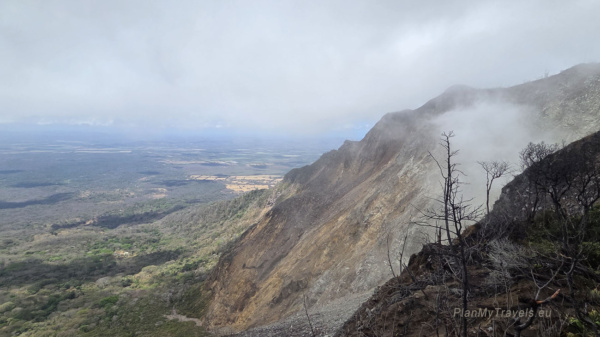
Mombacho is one of Nicaragua’s most unusual places. It does not attract visitors with famous landmarks or adrenaline-filled activities. Instead, it offers a fascinating lesson in nature’s resilience and a chance to witness both the destructive power of volcanoes and the slow process of ecological recovery.
Good to Know
- Regular trainers may not provide enough grip on the slippery stairs, roots and muddy sections of the Puma Trail.
- Bringing at least one trekking pole is highly recommended and can make both ascents and descents much easier.
- A lightweight waterproof jacket is useful year-round. Weather conditions on Mombacho can change quickly, and high humidity is part of everyday life in the cloud forest.
- Specially adapted trucks can access the reserve and handle the extremely steep road.
- For those looking for an extra adventure, you can ride down the mountain standing or sitting in the back of one of these trucks. This is a very common form of transport in Nicaragua and a fun way to experience local travel culture.
- Several people from our group chose this option. By the time they reached the bottom, they claimed every part of their body had been bumped and bruised after sliding into one another on every corner. At the same time, they were absolutely thrilled and enjoyed the experience like excited children.
Somoto Canyon – One of the Biggest Surprises of This Trip
Somoto Canyon was one of the biggest positive surprises of my entire journey through Nicaragua. Located far from the country’s most famous attractions, it is often overlooked by visitors. In my opinion, that is a mistake.
It is worth spending at least two days in the area. The canyon adventure itself covers around 14 kilometres and is difficult to compare to a traditional hike. The route is incredibly varied, taking you over rocks, through sections of the river, between towering canyon walls, and across stretches you can only reach by boat or inflatable tube.

Trekking, Tubing and Plenty of Adventure
Tubing was one of the trip’s highlights. Floating slowly between the canyon walls, surrounded by reflections of rock formations and lush vegetation, was surprisingly relaxing. Moments later, however, it was time to scramble over rocks, wade through the water or tackle another section of the canyon.
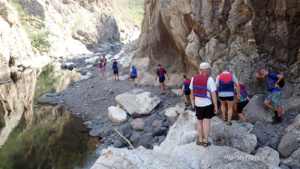
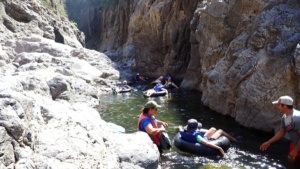
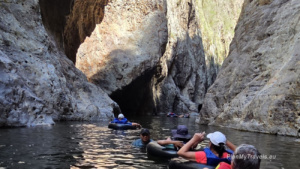
This constant change made the entire experience a perfect mix of adventure, laughter, mild adrenaline and stunning scenery. Local guides helped us navigate the more challenging sections and carried the tubes between different parts of the river, making the excursion both safe and well organised.
One of the Most Beautiful Canyons in Central America
The steep rock walls reflected in the water create landscapes that photographs simply cannot fully capture. Hidden among the cliffs are small caves inhabited by bats, while the Coco River, Central America’s longest river, flows through the canyon.
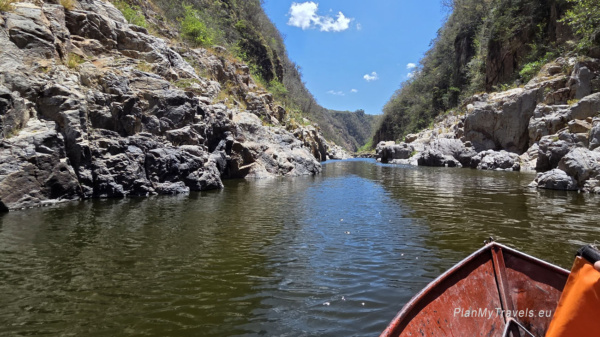
If you stay in Somoto for an extra day, it is worth hiking to the viewpoint overlooking the canyon. The climb is steep and challenging, but the reward is breathtaking panoramic views and the chance to watch the sunset from above.
Good to Know
- Avoid regular flip-flops or soft beach sandals. Before you reach the tubing section, you’ll need to walk about 30 minutes over sharp rocks. Trekking sandals or proper water shoes are by far the best option.
- Life jackets are provided for all participants, and most sections of the river are relatively shallow.
- Local guides carry large waterproof bags where you can safely store valuables such as your phone or camera.
- During breaks along the riverbank, you can take your phone out and capture photos of different sections of the canyon.
- Even so, bringing your own waterproof dry bag makes using your phone throughout the day much easier.
- A hat or cap is essential. Large parts of the route are exposed to direct sunlight with little natural shade.
- Avoid carrying a backpack if possible. While scrambling over rocks and wading through water, it quickly becomes more of a burden than a help.
León – A Colonial City Surrounded by Volcanoes
After Granada’s relaxed atmosphere and Somoto’s natural beauty, it was time for León, the trip’s most energetic city.
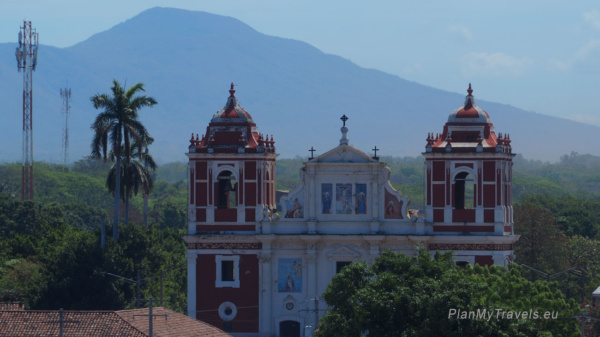
Plan to spend at least two days here. León is less touristy than Granada and feels noticeably more authentic. It is the perfect place to experience everyday life in Nicaragua.
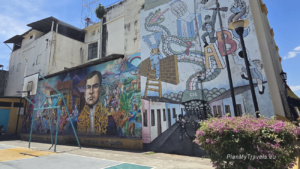
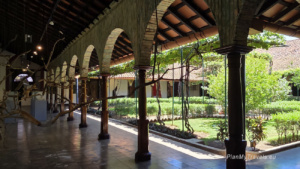
From early morning, the city is full of activity. Markets, cafés, and public squares buzz with life, even as temperatures can reach 37°C. Most residents seek shade, and we quickly learned to do the same. Cold drinks sold on nearly every corner became essential during our walks through the city.
One of the city’s highlights is its impressive UNESCO-listed cathedral. It is worth visiting not only the interior but also the famous white rooftop, which offers spectacular views over León and the surrounding volcanoes.
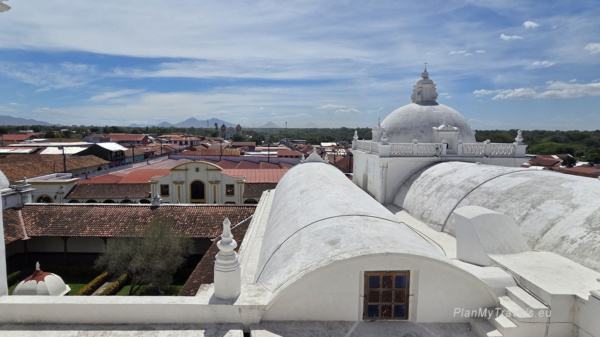
What impressed me most, however, was León in the evening. As the temperature drops, beautifully illuminated streets fill with families, groups of friends and street vendors. This is when the city truly comes alive and reveals its unique character.
During our stay, we also witnessed several fifteenth birthday celebrations for girls, a tradition that symbolises the transition into adulthood in many Latin American countries. Ordinary moments like these gave me deeper insight into local life and made León as memorable as Nicaragua’s most famous attractions.
Cerro Negro – Nicaragua’s Most Unusual Volcano
Just a short drive from León lies Cerro Negro, one of the youngest and most active volcanoes in Central America. Its black slopes, covered in volcanic gravel, contrast dramatically with the surrounding green hills, making the landscape feel more like another planet than Nicaragua.
The trail to the summit is relatively short but surprisingly demanding. The loose volcanic surface shifts with every step, making the climb harder than it first appears. At the top, spectacular views of the surrounding mountains await, along with the chance to walk along the rim of an active volcano.
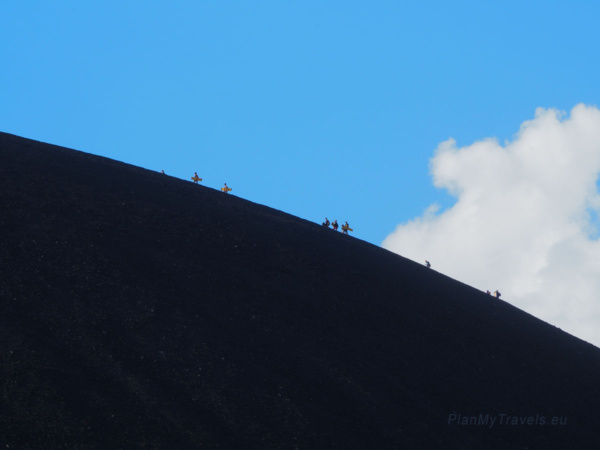
Most visitors come here for one reason: volcano boarding, a thrilling descent down the steep volcanic slope on a specially designed board. Cerro Negro is the only active volcano in the world where you can try this unique activity.
Standing at the top and looking down a black slope angled at around 45 degrees is enough to make anyone pause. Not everyone reaches the bottom without falling, as excessive confidence often ends in a close encounter with volcanic dust.
My brave husband decided to try it and made it all the way down. Fear quickly gave way to excitement, and we talked about the experience for a long time afterwards.
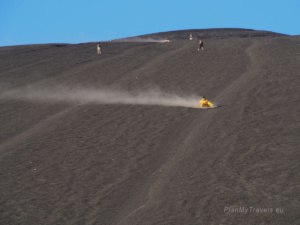
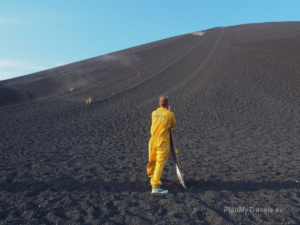
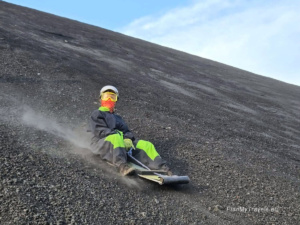
Even if you don’t plan to go volcano boarding, the hike to the summit is worth it. The landscape resembles the surface of the Moon more than a typical Central American destination, and seeing an active volcano is something you will not easily forget.
Good to Know
- Bring plenty of water. The hike takes place in full sun, and the black volcanic terrain absorbs a significant amount of heat.
- A scarf, buff or lightweight face covering is highly recommended. During the descent, fine volcanic dust becomes airborne and can easily get into your eyes, nose and mouth.
- Before the hike, participants receive a protective jumpsuit. You carry it to the top in your backpack and put it on over your clothes just before the descent.
- If you do not want to carry the board yourself, local helpers can transport it to the summit for a small fee. On the steep climb, it can make a huge difference.
- Wear clothes you don’t mind getting dirty. Volcanic dust gets everywhere, and you will probably still find traces of it afterwards.
- Protective goggles are extremely useful during the descent and well worth using.
- Keep your phone and camera in a secure pocket or waterproof pouch. Losing something during the ride is easier than you might think.
- If you own a GoPro or another action camera, bring it. The footage makes an incredible souvenir and allows you to relive the experience long after the trip. A helmet or jumpsuit mount works particularly well.
Have More Time? Consider These Experiences
If you have more than 10 days available, it is worth adding a few extra experiences to your itinerary.
A Local Cocoa Farm and Cooking with a Nicaraguan Family
If you have extra time, consider looking for community-based experiences organised by local families. One of the most memorable days of my entire trip was spent on a small cocoa farm, combining traditional cooking with an insight into everyday family life in rural Nicaragua.
The day began with preparing Gallo Pinto, Nicaragua’s national dish, in a simple outdoor kitchen. Everyone cooked together and later shared the meal around the same table. It was an opportunity not only to learn about traditional food but also to observe family life, mutual support and the strong bonds between generations.
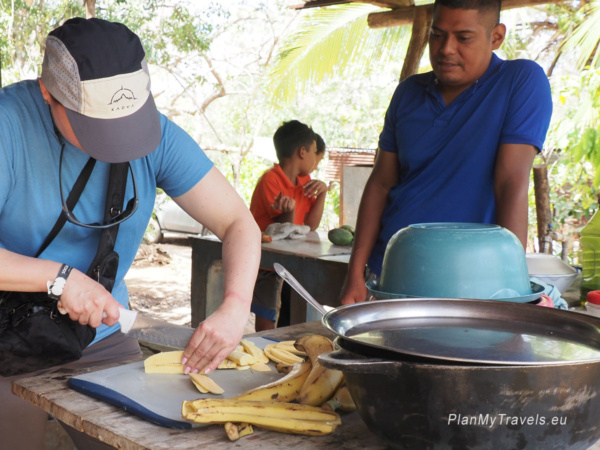
Later, we visited the farm itself, where we learned about cocoa and banana cultivation. Only then did I realise how much work it takes to maintain a small farm and how closely everyday life connects to nature’s rhythms.
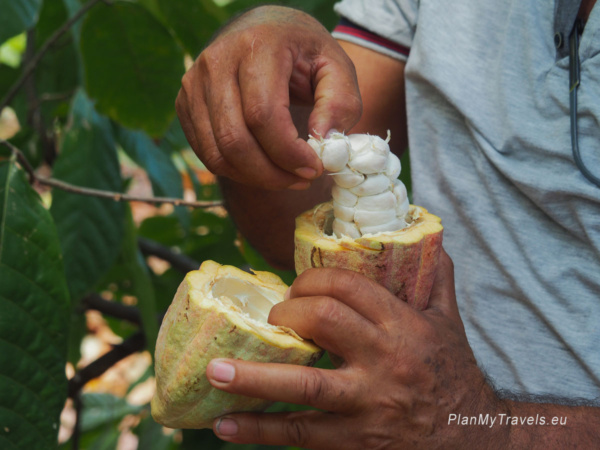
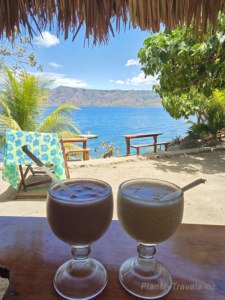
One of the most fascinating parts of the day was learning how they prepare cocoa. We followed the entire process, from cocoa beans to roasting, grinding and finally cooking the drink with milk and sugar in a small pot over a traditional stove.
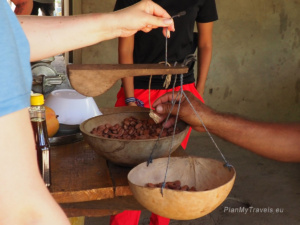
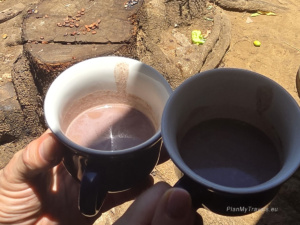
What stayed with me the most, however, were the conversations. Our hosts were curious about Poland, the four seasons, snow, and how sunrise and sunset change throughout the year. For them, these things seemed just as exotic as their lifestyle appeared to me. We talked about worlds that felt very distant from one another, yet discovered that curiosity about other people is universal.
For me, this experience was about much more than cooking or learning about local agriculture. It was a lesson in humility, openness and human connection. To this day, I remember this visit more vividly than many viewpoints or tourist attractions, because meaningful encounters like these are often what stay with us the longest.
Peñas Blancas Nature Reserve
Nature lovers may want to visit Peñas Blancas Nature Reserve, located in northern Nicaragua. This region is much less touristy, offering a different side of Nicaragua: cloud forests, waterfalls, and dense tropical vegetation.
One of the reserve’s highlights is Arcoiris Waterfall, also known as Rainbow Falls. Reaching it requires some effort. The trail leads through a humid cloud forest, along muddy paths, slippery wooden stairs and tangled tree roots. In some places, you have to squeeze between branches or climb over fallen tree trunks.
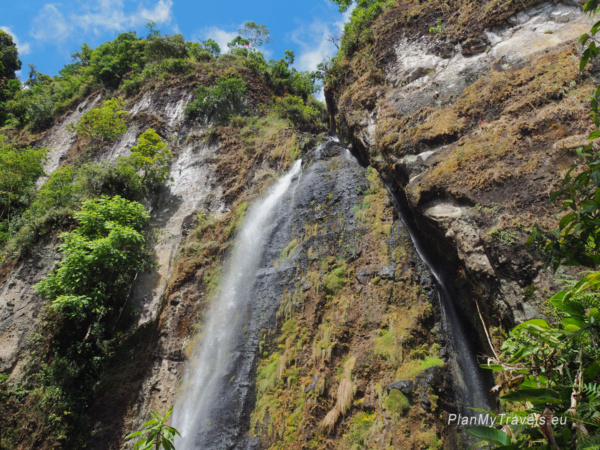
It was probably the most challenging hike I completed during my entire trip to Nicaragua. The trail wasn’t technically difficult, but the humidity, mud, and slippery terrain demanded constant attention. Even some experienced hikers in our group turned back before reaching the waterfall.
If you decide to tackle this trail, bring proper hiking boots, plenty of water, and trekking poles. They proved invaluable during the descent and while crossing muddy sections. More than once, we helped each other by passing trekking poles to one another through difficult sections of the trail.
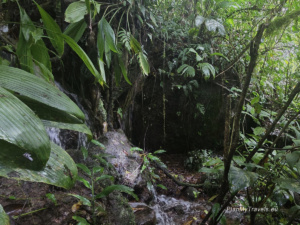
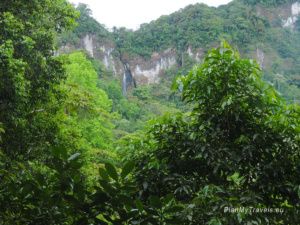
The reward for all this effort is a waterfall hidden deep within tropical vegetation. Although I have seen larger waterfalls elsewhere, the journey itself made this place so memorable. It is one of those experiences where the hike is just as important as the destination.
Good to Know
- Trekking poles are extremely helpful and may even feel essential for less experienced hikers.
- The trail includes mud, wet roots and slippery stairs, so regular trainers may not provide enough grip.
- High humidity makes the hike more demanding than it initially appears.
- Bring plenty of water and insect repellent.
- Don’t be discouraged if the trail feels tougher than expected. Some regular hikers even decide to turn back before reaching the waterfall.
- The reward is not only the waterfall itself but also the journey through the cloud forest and the sense of accomplishment that comes with reaching the end of the trail.
San Juan de Oriente and Relaxing at Laguna Apoyo
If you have an extra day near Granada, consider visiting San Juan de Oriente, a small town famous for its traditional handmade pottery. For generations, local families have created ceramics, sculptures, and decorative pieces, and workshops line almost every street.
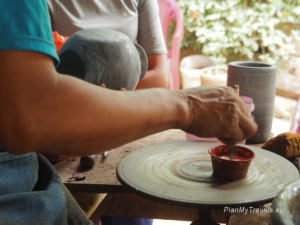
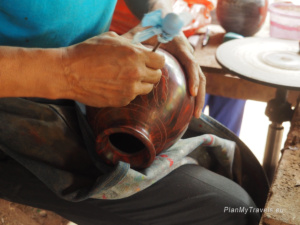
What I enjoyed most was how authentic the experience felt. Pottery here isn’t created specifically for tourists; it remains a natural part of everyday life. Visitors can observe the entire process, from shaping clay on a potter’s wheel and hand-painting intricate designs to displaying the finished pieces outside homes and workshops.
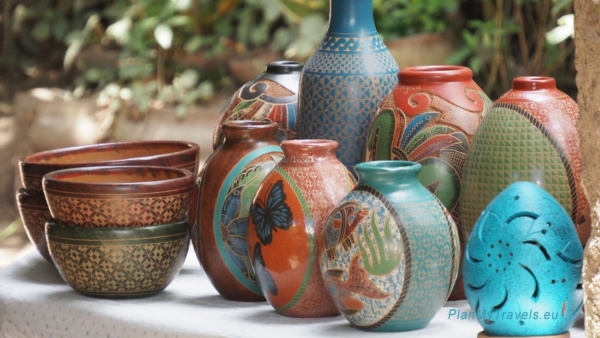
A walk through San Juan de Oriente offers a completely different perspective on Nicaragua. Instead of another viewpoint or natural attraction, you gain insight into a centuries-old craft that still supports many local families.
After visiting the workshops, head to Laguna Apoyo and spend a few hours simply relaxing by the water. Following several days of volcano hikes, trekking and sightseeing, it is the perfect place to slow down.
One of the most popular spots is Laguna Beach Club, where you can swim in the lake’s warm waters, relax in the shade, or admire the lagoon nestled inside an ancient volcanic crater.
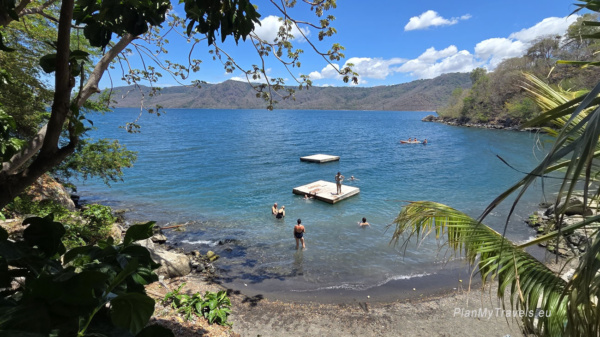
It is one of those rare travel days when you don’t need to rush anywhere. Instead of searching for the next attraction, you can simply enjoy the atmosphere and recharge before continuing your journey.
Nicaragua in 10 Days – Final Thoughts
After returning from Nicaragua, I often wondered why this country left such a strong impression on me. I don’t think it was only because of the active volcanoes, colonial cities, or tropical landscapes. The people and the atmosphere were just as important.
In ten days, I experienced active volcanoes, colonial towns, tropical islands, spectacular scenery and some of the most beautiful sunsets of the entire trip. Yet I remember the people of Nicaragua most: friendly, welcoming, humble, and full of energy. Cooking together, talking about Poland, exploring cities or simply meeting people along the way reminded me that travel is ultimately about human connections.
Nicaragua was never high on my travel wish list. That is exactly why I am so glad I said yes to this journey.
I returned home with hundreds of photographs, unforgettable memories and an even stronger desire to continue exploring Central America.
If I could go back in time, I would make exactly the same decision all over again.