

Extensive, glass-clad, crowded, loud, colourful, and overpopulated—the world’s largest metropolis can be described in many similar words. Everything has already been written about Tokyo. Its identity and character change with each visit to the following districts.
Tokyo is one of the world’s most important financial centres. It is also an important centre in culture, academia, and economy. 1964, it hosted the Summer Olympic Games, and it is preparing for the Games in 2020.
Tokyo is often referred to as a city, but is officially known and governed as a “metropolitan prefecture”. Its official name is Tokyo Metropolis. It administers the 23 Special Wards of Tokyo (which cover the City of Tokyo area before it merged in 1943), 26 cities, five towns, eight villages and two islands. Only in those 23 special wards of Tokyo does the population exceed 9 million people, and in the prefecture, it exceeds 13 million inhabitants. However, this number increases by another 3 million people daily when people come here to work or go to school. Tokyo is the centre of the Greater Tokyo Area, the world’s largest agglomeration, with a population of over 37 million people.
Below is a short table of contents. If you are interested only in one subject, please click the link and go there directly.
Tokyo – a historical outline
Tokyo’s origins lie in a small fishing village on the banks of the Sumida River. It was away from the country’s political events for centuries because the main centre was Kyoto. At the end of the sixteenth century, when Tokugawa Ieyasu became the country’s most powerful man, he chose Edo Castle (today’s Tokyo) as his headquarters. After taking office in 1603, he made Tokyo the centre of political and cultural life. Edo became the real capital of united Japan, but the official granting of these powers was signed only in 1868.
During the reign of the first shoguns (17th century), Tokyo became the world’s most powerful city, home to more than 2 million people. After years of major urban sprawl, the Shogunate’s power ended, and the emperor took over the country’s dominant role. Edo became the official capital. Emperor Meiji chose the Tokugawa castle as his main seat and renamed Edo Tokyo, meaning “western capital“.
Meiji’s reign brought further modernisation to Tokyo, mainly based on Western models. Unfortunately, two more events made Tokyo known at the beginning of the 20th century, and have not survived today. The first significant event was an earthquake in the year 1923 that devastated most of the city, and as a result, more than 140,000 people lost their lives. The second event was the Japanese military actions during WWII, which led to the bombing of Tokyo in 1945. It is estimated that more than 200 thousand people lost their lives for this reason.
The city was carefully rebuilt to become a mighty economic power a few decades later.
Tokyo – how to visit it?
You cannot see all the major historical sites, religious sites, and monuments in only a few days. Tokyo covers over 550 square kilometres, so before you arrive, it helps to decide what you most want to see and what you want to focus on.
I suggest using the JR Yamanote line, the city’s bypass that connects most districts. Only two of the 29 stations cannot switch to the subway or other railway lines. This is the city’s most convenient and reliable means of transport. The East Japan Railway Company operates the Yamanote Line, and trains run daily between 4.30 a.m. and 1.20 a.m. every 2.5 minutes. The whole loop ride takes about 60 minutes.
Shinjuku
From Tokyo station – JR Yamanote line, about 15 min.


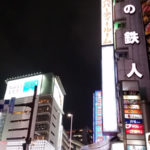

I recommend visiting this place mainly because of the Tokyo Metropolitan Government Building. This government building has a magnificent observatory deck on the 45th floor. Entrance to the building, lift access to the observatory deck, and enjoying the beautiful city panorama are free. This place offers free entertainment for those who don’t want to spend money to see the city views from the “Tokyo Tower”. On the first floor, the “Tokyo Tourist Information Centre” offers free maps and guides. The information is also provided in English.
There are two observatory towers – North and South. Depending on the day of the week and the hour, one of the observation decks is always open between 9.30 a.m. and 11.00 p.m.
Here, you can buy the entrance ticket to the Tokyo Tower Observatory*.
More information can be found directly on the website: www.metro.tokyo.jp


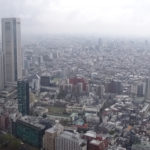


Tokyo Olympics 2020
The Government Building also has an exhibition on the history of the Olympic Games, with particular attention to how Tokyo is preparing for the 2020 Olympics.
More to read about preparations, location, games, torch relay, medals, mascots, schedule and everything else, you can find on the dedicated website: Tokyo2020


Shibuya, Harajuku
Take the JR Yamanote line from Tokyo Station to Shibuya Station; it takes about 24 minutes. From Shibuya station to Harajuku station, it takes 2 minutes.
Meiji Temple
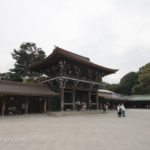
Meiji Jingu is Tokyo’s largest Shinto shrine and its most popular temple. Built just 100 years ago (in 1920) to commemorate the deceased Emperor Meiji Tenno and his wife, Empress Shoken. People believe their souls are enshrined here. Emperor Meiji sat on the throne when the Meiji Restoration came, leading to the shogunate’s fall and significant reforms. Meiji was only 16 years old when he was called “the first modern emperor of Japan”. The temple was erected on the grounds where the ruler had designed a garden of irises for the empress. The solemn forest was created by planting about 100,000 trees donated from all over Japan.
Over one million people come here for New Year’s celebrations. It is also a popular place to conclude traditional Japanese weddings.
The temple is open daily from dusk to dawn. More details at www.meijijingu.or.jp



Shibuya
Shibuya Crossing is one of the world’s largest and busiest intersections. During one light change at the intersection, about 2.5 thousand people can enter at once during rush hour. The intersection is always crowded, day and night. The phenomenon, however, is that the green light comes on simultaneously on all sides of the junction, so people appear at the same time from different directions. From the side, it seems impossible that people in the middle of the crossing don’t bump into each other. All you have to do is try to get through. You will see that crossing the street is possible even in the biggest crowd, and pedestrians naturally flow through the crossing.
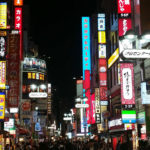
It is worth coming here regardless of the time of day. Still, in the evening, you can see illuminated, loud, large-format multimedia advertisements displayed on the facades of all surrounding skyscrapers. Shibuya’s intersection is often used as a movie location, also for Western productions, such as The Fast and the Furious: Tokyo Drift.




Shibuya and Hachiko’s dog story
A crowd is always around the junction. It is also a popular meeting point for young people. It is worth looking for a monument displaying Japan’s most popular dog. Its history began in the early twentieth century. Hachiko (Hachi in Japanese means number eight), a golden-brown Akita dog, has been a faithful friend to his owner, Professor Ueno, of Tokyo University. Every morning, the dog walked his owner to the Shibuya subway station, and daily at 6.00 p.m., he waited in front of the station doors. He knew that his owner always returned from work at the same time. Unfortunately, one day, the professor said goodbye to his dog in the morning and went to work, but he did not return because he died of a stroke.
 That day, the dog faithfully waited for his master’s return from work every day for the next 10 years. The dog gained popularity in the local community, and the subway passengers brought him food. They tried to find him a new home and care for him, but Hachiko kept escaping and returning to the subway station to wait for his first owner to return from work.
People greatly appreciated the dog’s faithfulness and unusual attachment to his owner, so they built a monument after his death. The memorial stands near the subway station exit, where the dog awaited the owner. The subway exit was called “Hachiko-guchi“, meaning “exit of Hachiko“. After the dog’s death, they stuffed him and placed him in the Museum of Science in Ueno. Every year, on April 8, a ceremony is held in front of Hachiko’s statue to honour him. Crowds of Japanese people come that day to celebrate.
The dog’s heart-touching story inspired several films. In Japan, a movie called “Hachiko Monogatari” was a Japanese movie hit in 1987. In 2009, Hollywood made the film “Hachiko: A Dog’s Story” (“My Friend Hachiko”), starring Richard Gere.
Asakusa district and Sensoji Temple
From Tokyo Station to Akihabara Station, take the Yamanote Line (4 min.). Change to the Tsukuba Express to Asakusa Station (5 min.).
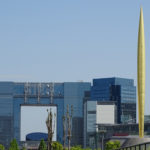
On the way from Asakusa Station, on the other side of the Sumida River, stands a distinctive building belonging to Asahi Breweries. The building, the brewery’s headquarters, was designed by the French architect Philippe Starck and completed in 1989. It is considered one of Tokyo’s most recognisable modern buildings. The main building resembles a glass of foamed beer. The golden flame, the crown of the neighbouring building, is called “the burning heart of the Asakusa brewery“. Submarine manufacturers built this flame using the same techniques they use to build ships. The whole flame weighs 360 tons, and the inside is empty.
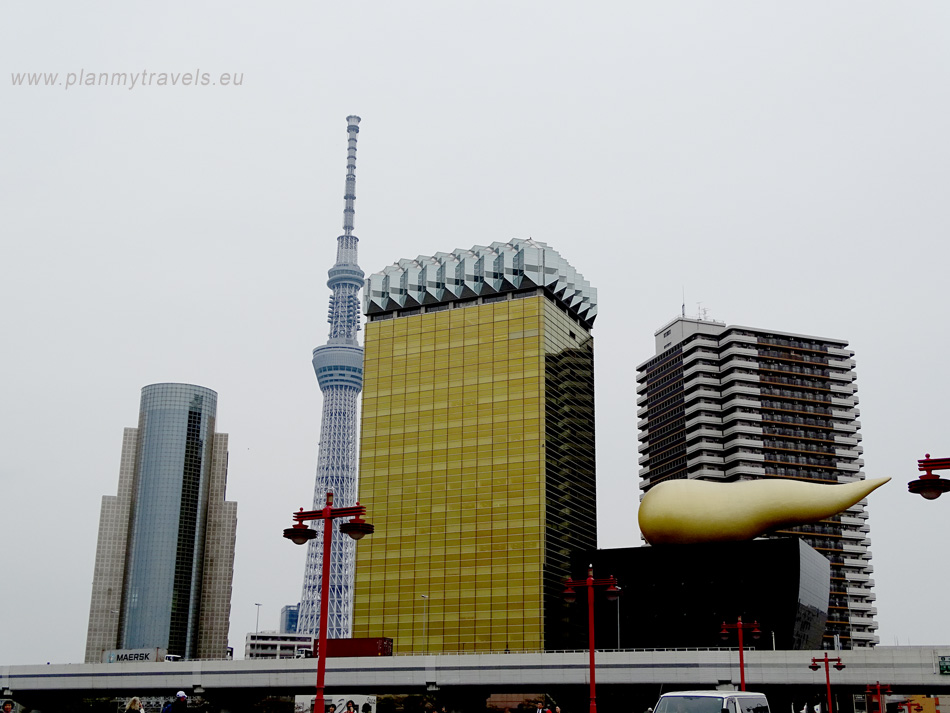
The Tokyo Sky Tree, measuring 635 meters, is in the background. It is a television and viewing tower with a 350-meter-high viewing terrace. It is the world’s tallest tower and the second-largest building (after the Burj Khalifa in Dubai, 829 m).
Sensoji Temple
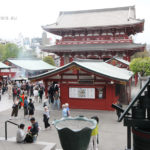
Asakusa district is famous for Sensoji Temple, built in 628. It is Tokyo’s largest and most popular temple and one of the city’s biggest attractions. According to legend, the temple was built where two fishermen were found in the river statue of the Kannon goddess. Therefore, the temple was built there, and about 30 million people visit it each year.


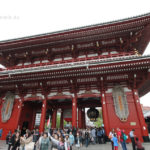




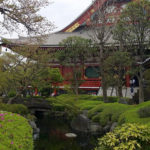
The most characteristic building of the temple is the Kaminari-mon gate, or “Gate of Thunder.” A large red lantern stands in the middle of the gate, and two mighty statues of deities chasing demons guard the entrance: Fu-jin and Rai-jin, the gods of wind, thunder, lightning, and storm.
The five-story pagoda, reaching 53 meters, is also the second-highest in Japan.
The temple’s main building (Hondo), where the Kannon goddess is worshipped, leads to the Hozo-mon gate. The oldest building in the temple area is the Yakushi Buddha’s pavilion, Yakushi-do, dating back to the 16th century. Unfortunately, the remaining buildings were seriously damaged or destroyed during the Second World War. Most of the buildings were carefully rebuilt shortly after the war.


The path to the temple runs along a street over 200 meters long, Nakamise-dori, lined with stalls and souvenir shops. The stalls appeared here with the priests’ permission, who needed money to rebuild the temple destroyed during the war. You can buy popular tourist souvenirs and handicraft products: paper fans, brushes, umbrellas, paper products, and traditional clothing. There are also numerous food stalls.

You can visit the temple daily from 9.00 a.m. to 5.30 p.m., with free admission.
Asakusa district is also famous because, in the nineteenth century, shoguns recognised that the city centre was unsuitable for the popular kabuki theatre of the time. They ordered the theatre to move to the Asakusa district, making it a district associated with entertainment and a lively time.
Near the temple, there is a bronze monument depicting Ichikawa Danjūrō IX. He was a famous Japanese kabuki actor and the first to perform before the Emperor (1887). He also played in the oldest surviving Japanese feature film (“Falling Maple Leaves”).

Ueno district
From Tokyo Station, take the Yamanote line to Ueno Station (8 min.).
Ueno District is part of Tokyo, in an area historically known as Shitamachi. This area served as a place of relaxation and fun for warriors. Today, it is best known for Ueno Park, home to the Tokyo Zoo.
Ueno Park
Ueno Park is Tokyo’s largest park (85ha) and the oldest urban park in Japan. Today, it is famous for its many museums, including the National Museum of Tokyo, the National Museum of Western Art, the Tokyo Metropolitan Museum of Art and the National Museum of Science.
Ueno Park is also one of the most popular places in Tokyo to see cherry blossoms. Over 1,000 trees line Central Park Alley; cherry blossom season is in late March and early April.
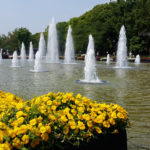

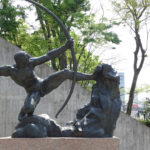
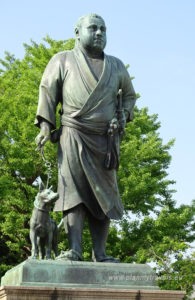
The park has a bronze statue of Takamori Saigo. It represents one of the most influential samurai in Japanese history, who lived at the turn of the Edo and Meiji periods. Based on the events of his life, “The Last Samurai” was made, with Tom Cruise starring.
Ueno Zoological Gardens
Ueno Zoo is Japan’s first and oldest zoo. The garden was opened in 1882. One of its most popular inhabitants is the Giant Panda, which first arrived in 1972 to mark the normalisation of relations between Japan and China. The zoo provides recreation and plays a vital role in protecting wildlife and public education. To protect endangered species from extinction, the zoo has piloted the “Gorilla Woods” and the “Tiger Forest” projects, focusing on protecting these two species. They have organised nationwide and worldwide zoo networks and shared experience and knowledge of animal husbandry and management.
Now, it’s home to over 3,000 animals from 400 different species and provides visitors with a learning experience about animal diversity, fun, and enjoyment.


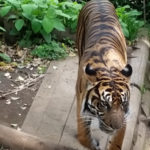


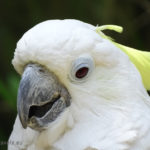

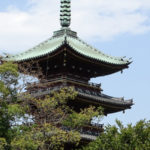
The garden includes a Five-Story Pagoda and a tea ceremony house, which give the zoo an authentic Japanese touch. Built in 1631, rebuilt after a fire, and given to the Tokyo Metropolitan Government in 1958, which assigned its management to Ueno Zoo. The tea ceremony house was built to entertain shoguns in the 17th century.


Ueno Zoo is open daily from 9:30 a.m. to 5:00 p.m. (tickets are sold until 16:00). It is closed on Mondays. Admission is 600 yen ($5.5).
For more information, please check the Tokyo zoo website.
Ueno Toshogu Shrine
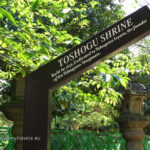
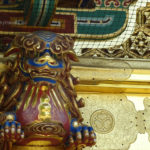
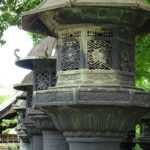
Toshogu Shrine in Ueno was built in 1627 and is one of many temples throughout the country dedicated to Tokugawa Ieyasu, the founder of the Tokugawa shogunate. In 1651, the central part of the church was rebuilt and became an example of the architectural style that characterised the Edo period. Despite several earthquakes and hostilities, the temple’s structure remained intact and was recognised as an important cultural property of Japan due to its representativeness of the Edo period. Today, it is enchanting with its golden colour, rich decorations, and colourful ornaments. The entire structure is covered in gold leaf and numerous sculptures.
The temple is open daily from 9:00 a.m. to 4:30 p.m.; admission is 500 yen ($4,5). You can’t enter the main building, but you should see its main gate, Karamon (built in the Chinese style in 1651), and visit the surrounding gardens.
You can find more information on the Toshogu shrine website.




Ueno Botanical Garden
A Botanical Garden is next to the Toshogu temple, open only for a few weeks yearly. Between April and May, people can admire the beautiful Peony Garden. The garden was founded in 1980 as a sign of friendship with China. Peony comes from China. It is called the “noble and rich” flower and is seen as a blessed flower that brings wealth, prosperity, fame, and fortune. The popularity of peonies is evident in many references in the Japanese haiku and is widely used in motifs of art, design and family emblems.
The botanical garden is open from January to mid-February and from mid-April to mid-May. Admission is 700 yen (about 6,2 $).


Akihabara – a district of electronics, games and entertainment
From Tokyo Station, Yamanote Line, to Akihabara Station (4 min.).
Akihabara is the “Electronics District” or “Geek District”. In a nutshell, it is a major centre for small household appliances and electronic equipment, computer games, manga, and anime. It is also a centre of entertainment: loud game salons, such as the famous Pachinko, claw machines (known in Japan as “UFO catcher”), and karaoke clubs. In Akihabara, you can find several-storey electronics stores or small shops selling cables, computer subassemblies, or screws. Tourists can find tax-free shops in this district, which makes shopping a few per cent cheaper (about 8% on average).
Akihabara – Maid cafes
On the streets, you can meet young hostesses dressed as waitresses, maids, or schoolgirls, handing out leaflets or encouraging you to enter restaurants, clubs, or “maid cafes“. Maid cafes are a chain of cafes specific to Japan, where young girls work as waitresses dressed in scant maid outfits. Taking pictures inside is not allowed, and the girls standing by the street do not allow it either. They have “no photo” sticky notes on their skirts. If you want a photo with a girl dressed up like that, you need to enter the restaurant she advertised. There, you pay to get in (about 500-600 yen / 5-6$), but being a customer, you can invite a girl to take a picture together.
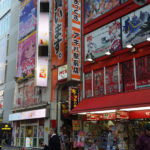
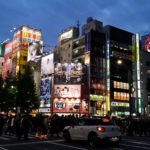
The streets of Akihabara sparkle with colourful banners and neon lights. Posters with cartoon characters or movies for young people hang on the buildings. Advertisements placed on buildings are loud, with flashing lights, and very colourful.




Most stores line Chuo Dori’s main street. In many places (including the metro station), you can find maps of the area showing all the stores and those that offer tax-free service.
Akihabara UDX
Within a few minutes’ walking distance from the metro station, there is a building called “Akihabara UDX” – a 15-storey skyscraper. It is a multifunctional complex with several facilities, including restaurants and grocery stores, souvenir shops, tourist information, a gallery, a theatre hall, and meeting places. It also has small cafes and bars. You can also find a post office, an ATM, car rentals, and bicycle parking. Tourists come here for the large selection of restaurants and the “Anime Centre” on the 4th floor. Two outdoor terraces with numerous benches also make it a perfect place to relax.
TAX-FREE
Japan’s tax system has changed, and new regulations have been in force since October 2014. Consumer products such as food, cosmetics, and medicines are now eligible for tax exemption. The procedure for applying for tax exemption has been simplified, and more stores now operate under the tax system. Small shops, pharmacies, and drugstores have joined the program, and the provisions have also been simplified for sellers.
Depending on the store, you can apply for a tax exemption in two ways. With the first method, you can get an 8% discount immediately when you pay for your purchases. In the second method, you pay the regular price, but you’ll receive a unique form to fill out. Typically, you enter your passport details there. Then go to the window where you get your tax refund.
In our case, everything was done at one box office: paying for the goods, filling out the application, packing the goods in a specially marked bag, and getting a tax refund. A paper card was attached to the passport confirming that, being in Japan, we purchased products with a discount as part of the Tax-Free offer. This paper card means you can’t use products purchased in Japan before leaving the country. Goods packed initially in this form must be transported across the border. We approached the customs officer at the airport, who took our passport, tore the attached note, and let us go on. The discounted shopping procedure is not very complex, and store staff will help you complete all the formalities.
You can find out more about tax-free below:
GINZA – an elegant district of the city
Take the Marunouchi metro line from Tokyo Station to Ginza Station (3 min.). At Ginza Station, take the Hibiya Metro Line to Tsukiji Station (3 min.) to go directly to the Fish Market.
Ginza is an elegant district of Tokyo. It has always been associated with modernity and luxury. Strolling along the main street, Chuo Dori, you can find shops from the world’s most popular brands: Chanel, Cartier, Dior, Bulgari, Tiffany, Hermes, and Armani. At the famous intersection of Chuo Dori and Harumi Dori, you’ll find popular tourist buildings: the Mitsukoshi Department Store, the Wako Building with a Clock Tower, and the semicircular San’ai building.
Ginza is also a well-known theatre centre. Several theatres are here, including the “kabuki theatre” or “Ginza Nogakudo Biru,” which features traditional performances of “no” and “kyogen” theatre. You can also visit the Art Museum, the National Museum of Modern Art, the Mitsuo Aida Museum, and the National Centre for Film.
In Ginza, the Buddhist temple of Tsukiji Hongwanji, built in the Hindu style in 1931, is also worth visiting. 2011, the temple was registered as Japan’s essential material and cultural asset. The Tsukiji Hongwanji temple website has more information.

We visited Ginza to see the famous fish market located in Tsukiji Market.
Ginza – Tsukiji Fish Market
Tsukiji Fish Market is the “Central Tokyo Wholesale Town Market,” the world’s largest fish market and one of the largest wholesale food markets. Here, you can buy all kinds of fish and seafood—from sardines, mussels, and octopus to more than 300 kilos of tuna.
The Tsukiji market was founded in 1923, and everything indicates it will soon disappear. When we visited in April 2017, officials said the market would operate for only a few months. The original date to close and move the market to Toyosu Island was November 2016. However, this date was postponed until autumn 2018 because of strong opposition from sellers and the government.
At Tsukiji Market, a large wholesale tuna auction is held every day, and chefs from the best and most well-known restaurants visit. About 2,000 tons of fish and seafood are sold here daily, and about 65,000 employees are officially registered. Morning bustle, scooters and truck deliveries, numerous sellers and buyers, small stalls, and many shops have made this place a major tourist attraction in recent years. The constantly growing number of visitors surprised city authorities and sellers because no one expected the old market infrastructure to attract tourists.
Tsukiji Market is divided into an internal part (where, among other things, morning tuna auctions are held) and an outside part, where retail sales take place and several small bars are located.
Tuna auctions
Wholesale tuna auctions are open to visitors, but admission is limited, making it difficult to get there. Every day, only 120 people can enter the auction. Those who want to attend as observers must complete the application form available at the office of the “Osakana Fukyu Centre” (Fish Information Centre) at the Kachidoki market gate. Applications are accepted starting at 5:00 a.m., and entries are granted on a first-come, first-served basis. The first group (maximum 60 people) enters the auction between 5.25 a.m. and 5.50 a.m., and the second group between 5.50 a.m. and 6.15 a.m.
A crowd of volunteers stands in the queue in the early morning hours. As a rule, more people want to enter than there are places available. Tourists visiting the auction must follow the rules strictly. You can view the auction only from a designated place; you can’t use flash when taking pictures; you can’t bring backpacks or large bags; and you must not touch anything or behave loudly.
After viewing the tuna auction, visitors must leave the market’s wholesale section. For tourists, it reopens only after 10:00 a.m. because morning traffic, sales, trade negotiations, and the delivery of goods can’t be disrupted by crowds of onlookers roaming the hall.
The outdoor market is open from early morning (5:00 a.m.) to early afternoon. This market is worth visiting! The busy morning atmosphere, crowds of sellers and buyers, the scents of seafood and fish, and the fried and baked dishes are unforgettable memories and the real “taste” and pulse of city life.
For more information, please visit the Tsukiji External Market page.


Tokyo Toyosu Fishmarket
Edit 08.2019. Please note that the Tsukiji Fish Market closed in 2018, and a new fish market opened at Toyosu Fishmarket. For more information about opening hours, wholesale trades, and how to get there, visit the Toyosu Fish Market website.
Odaiba
Take the Yamanote subway line from Tokyo Station to Shimbashi Station, then the Yurikamome train to Daiba Station. The whole journey takes about 25 minutes.
The Yurikamome train is a modern, automatic train that connects Shimbashi Station with all the attractions on the island of Odaiba and Toyosu Station on the Yurakucho Line. Trains depart every few minutes; a one-way trip costs 320 yen (about 2,8$). If you take a round trip or use it more than once in one day, it is worth buying a 1-day ticket for 820 yen (about 7,3 $). On the Yurikamome train, you can’t use JR Japan Railway Pass cards. The train goes through the “Rainbow Bridge“, and the views of the modern district are breathtaking.
Odaiba is a large artificial island built in Tokyo Bay in 1853. It was originally built for defence, but in the late 20th century it was developed extensively, mainly as a seaport. Since the early 90s of the previous century, it has primarily been a residential, entertainment and commercial area.
It is worth planning the whole day and deciding what you want to see and where you want to get off the train, as the number of attractions and places worth visiting is impressive. We spent the whole day here but could see only a tiny part of what Odaiba has to offer.
What to see, where to get off the train?
Odaiba – a rainbow bridge and a view of the bay
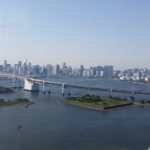
Daiba Station: Get off here for a spectacular view of Tokyo Bay, the Tokyo Waterfront, Tokyo City, the Statue of Liberty, and the hanging Rainbow Bridge. There are several viewpoints and a walking path (1.5 km—25 min).
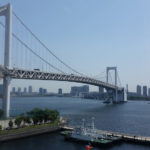
You can cross the Rainbow Bridge by Yurikamome train, car, or on foot. Construction began in 1987 and lasted 6 years. The bridge is almost 800 meters long and 49 meters wide, with two levels and three transport lines. Two pylons that support the bridge are painted white to harmonise with views of Tokyo Bay and the island of Odaiba.
At night, the lighting runs on energy collected by solar panels during the day. Its official name is “Shuto Expressway No. 11 Daiba Route – Port of Tokyo Connector Bridge”, but city residents call it “Rainbow Bridge”, and this name is used in everyday conversation. There are two separate pedestrian routes: on the north and the south side. The north side offers views of the harbour area and Tokyo Tower, and from the south, you can admire Tokyo Bay and Mount Fuji in good weather.
You can use pedestrian paths only at certain times: in summer between 9.00 a.m. and 9.00 p.m., in winter between 10.00 a.m. and 6.00 p.m. Pedestrians are not allowed to cycle on footpaths.



Observatory in the Fuji TV building
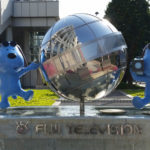
At about 5-10 minutes’ walking distance from the Daiba station, you can get to the headquarters of the private TV station, Fuji Television, which is open to visitors. The Fuji Television network is Japan’s leading station. It is the flagship TV station of Fuji News Network (FNN) and Fuji Network System (FNS). Fuji TV sponsors the Formula One Japanese Grand Prix and is the only media patron of the Formula 1 Grand Prix in the world.
The Fuji TV building offers a spectacular view from the observation deck on the 25th floor. A ball-shaped observatory offers 270-degree views of the island and Tokyo Bay.
The building also has stores with souvenirs of characters created by the station and film studios. You can also meet TV stars and get their autographs.
The observatory is open daily from 10 a.m. to 8 p.m. (on weekends until 10 p.m.) and is closed on Mondays. You can buy an admission ticket for 550 yen (about $ 5) at the ticket office in front of the building entrance. More information is available on the Fuji TV website.


Ferris Wheel
The Devil’s Mill, or “Giant Sky Wheel”, is a place you must visit on the island. To get here, get off the train at the Aomi stop. The full carousel round trip takes 16 minutes. You can ride a trolley with a glass floor (only four such trolleys). The Ferris wheel is 115 meters high and 100 meters wide, and the trolleys are shaped like small cups. On clear days, you can see Tokyo Tower and Mount Fuji. During your ride, you can take beautiful photos because staff carefully wipe the glass before each lap. Employees operating the queue take great care not only about visual appeal but also about travellers’ safety, as they get in and out of the trolley without stopping the wheel.
The wheel is open daily from 10.00 a.m. to 10.00 p.m. (on weekends until 10.40 p.m.). Entrance tickets cost 1000 yen (about $9.50), and admission is for people over the age of 4.
Edit 2022
After over twenty years, the iconic Ferris wheel in Odaiba, Tokyo Bay’s popular commercial district, ceased operations on August 31, 2022.


Mega Web – a theme park of Toyota (closed for good)
Mega Web is a Toyota theme park. An ideal place for car enthusiasts and those interested in technical innovation. There are three main exhibitions in the park:
-
Toyota City Showcase
An exhibition of the company’s latest technical achievements, including cars designed to transport people with disabilities. The main attraction is the MEGA Theatre, a 4D cinema room. The film screening lasts about 20 minutes, and you can enter the room every half hour. To enter the cinema, you have to be at least 120 cm tall because, once inside, you sit on specially profiled seats attached to mobile platforms. You must fasten your seatbelts and hold tight because we turn into rally drivers during the movie.
The platforms we sit on begin to move, hang in the air, and experience the same overloads and shocks as a rally driver. We feel a breeze on our faces as we rush through the desert or drops of water as we cross the riverbed. Fun, excitement, and impressions—first class! Free entrance.


-
History Garage
The garage presents Toyota’s historical car models from 1950 to 1970 worldwide.


-
Ride Studio
Children and adults can rent a car here and drive it while following the rules of the road. It offers entertainment and education. Cars are available for children from the age of three. You can also arrange car tests and drive on a specially prepared track, but this option is only available to holders of a Japanese driving license. The cost of travelling is 300 yen (about 2,6$).
The Mega Web facilities also have a bar, cafeteria and souvenir shops.
Edit 2022
In September 2021, it was announced that Odaiba Oedo Onsen Monogatari would close. The Odaiba district’s Palette Town entertainment complex (which opened in 1999) has begun a phased shutdown ahead of the redevelopment of the land it sits on. Among the buildings on the closure list was the Mega Web, a Toyota theme park.
December 31, 2021, was the last day for the History Garage. They have all been closed for good, including car-focused book and memorabilia shops, cafes, test-drive courses, go-kart tracks, and working restoration mechanic shops.
Venus Fort
It’s a big shopping centre with over 100 stores, boutiques, cafes, and restaurants, including an Outlet on the top floor. The shopping centre was built in the style of an eighteenth-century town in Western Europe. It is open daily from 11 a.m. to 9 p.m. (restaurants until 11 p.m.).
Edit 2022
March 27, 2022, was the last day; it is now shut forever.
Odaiba – Other Attractions
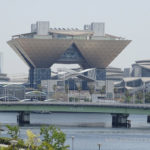
On the island of Odaiba, there are several large shopping centres, the Nautical Maritime Museum in Tokyo, the Musashino University campus and one of the world’s largest hospitals specialising in cancer treatment, “The Cancer Institute Hospital”. The island also has numerous halls, sports facilities, and Japan’s largest exhibition centre, “Tokyo Big Sight“. A large park surrounds all buildings on the island, connected by numerous walking and cycling paths. When the weather is nice, it is a perfect place for a walk, and during spring and summer, countless festivals, concerts, and outdoor events take place. On the day we visited the island (end of April), we saw three significant mass events, including the Oktoberfest summer festival!





Shinagawa
Shinagawa is one of Tokyo’s 23 districts. The railway station with the same name is one of the city’s busiest stations. JR Higashi Nihon trains, JR Tokai trains, high-speed Shinkansen trains, city lines, and the private railway Keihin Kyuko stop here. From Shinagawa Station, you can reach two international airports in Tokyo: Narita and Haneda.
This district’s convenient, extensive transport links have made it popular for embassies and large international corporations to set up offices. Offices of companies such as Sony, Microsoft, and Siemens AG, as well as Japanese offices, include Isuzu (one of the oldest Japanese car manufacturers) and JTB Corporation (Japan’s largest travel agency and one of the largest in the world). It is a dynamically developing office and residential district, part of the Tokyo Bay development.
During the Edo period, Shinagawa was the first stop on the route from Tokyo (Edo) to Kyoto. Travellers could rent a room for the night, bathe, and eat. Several large hotels, many restaurants, and an aquapark are there.
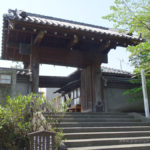
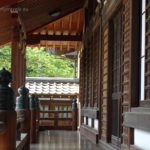
Sengakuji Temple
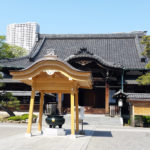
Sengakuji is a Buddhist temple far from the city centre but remains a permanent part of its history. Tokugawa Ieyasu, the first shogun from Edo, founded the temple in 1612. It was first located near Edo Castle. Unfortunately, a fire destroyed it 30 years after its founding. During reconstruction, it was moved to its current location.
Sengakuji has long been recognised as a prestigious institution for training Buddhist monks. Since its foundation, monks from Japan have come here to deepen their practice and learning, a custom that continues today. Young monks will still visit this temple during their internships and university studies.
In front of the main temple building is the Sawaki Kōdō Roshi statue, honouring one of the most important teachers of Japanese Zen Buddhism of the twentieth century. In the 1930s, he began working as a professor at Komazawa University while travelling around the country with Zen teachings. He devoted himself so fully to his work that he was called “Homeless Kodo” because he rarely stayed at home.





Sengakuiji –Ako story
This is probably the most famous story in Japanese history. It touches on tradition, honour, and revenge. The “incident from Ako” took place between 1701 and 1703.
Asano Takuminokami was a feudal lord of Ako, appointed by the shogunate to receive imperial envoys travelling from Kyoto to Edo at Edo Castle. Asano was supposed to get tips and advice on the label from Edo’s official clerk, Kira Kozukenosuke. Unfortunately, Kira does not like Asano and treats him with no respect, which a samurai deserves. Provoked by Kira’s naughty behaviour, Asano drew his sword and wounded Kira, but he did not kill him.
Asano’s attack was immediately noticed. Under the prevailing code, using a sword in Edo Castle was strictly forbidden, so Asano was taken into custody. At that time, another law was in force, stating that all persons participating in the fight/skirmish/quarrel should be punished similarly. It turned out, however, that Kira was not even arrested, while Asano was sentenced to death by seppuku (hara-kiri). The sentence was to be carried out immediately.
Asano was forced to commit seppuku on the same day that the sentence was ordered, without being able to defend himself. Additionally, he was to commit seppuku in the gardens of one of the lords’ residences, and dying in the garden was a disgrace for a samurai. So, Asano was humiliated once again. He was also ordered to confiscate his entire estate, and his family, servants, and samurai were expelled from Ako.
Sengakuji – 47 Ronin
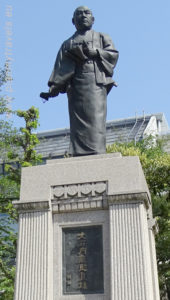
The faithful samurai of Asano could not come to terms with their master’s shameful death for a long time. Being ronin (samurai without a master), they planned revenge for almost two years. Under the command of Oishi Kuranosuke, the 47 Ronin organised an ambush to kill Kira. At the time, revenge aligned with bushido principles (the old samurai code), but the law required the intention to be reported to the victim. Unfortunately, this did not happen because the ruling shogun had officially banned revenge. The 47 Ronin, therefore, knew that their actions were illegal and could be punished by the death penalty.
On December 14th, 1702, they attacked and killed Kira in his residence. Then, they marched to Sengakuji to lay Kira’s head on Asano’s grave and submit to the appropriate punishment.
Judging the 47 Ronin, the shogun had a massive problem making a final decision. On one side, he knew they had executed private justice and taken revenge, which the ruling shogun forbade. On the other side, they followed the “old samurai code”, which greatly impressed the shogun. He was impressed by the Ronin’s fidelity and loyalty to the dead lord, so it was not easy to decide on the proper punishment.
The verdict was passed in February 1703. All of the Ronin involved in the attack on Kira were sentenced to death. However, the Shogun let the ex-samurai die with honour worthy of their position, so the sentence was to be carried out through ritual seppuku. The ceremony took place on February 4th, and they were buried in a small cemetery next to the Asano grave in Sengakuji Temple.
47 Ronin in the hearts of the Japanese
Those events, which occurred over 300 years ago, still inflame the hearts of the Japanese. Every year, on December 14th (the anniversary of the attack on Kira), crowds of faithful come to the temple to pray at the Ronin’s tombs. Every day, incense sticks burn there.
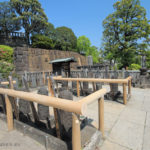


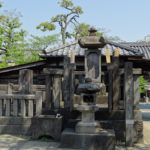
The history of “47 Ronin” is now part of the Japanese cultural identity. This story was exhibited on the stage of the Kabuki theatre, in the puppet theatre—bunraku—played at the opera, and finally, several times, filmed. In Japan, this story has been adapted into six films.
The Sengakuji Temple is open every day from April to September, 7 a.m. to 6 p.m., and from October to March, 7 a.m. to 5.00 p.m. Entrance is free.
A small museum on the temple grounds is also devoted to “events from Ako.” In the museum, you can watch an animated movie (about 10 minutes long) that tells the whole story. The museum also has documents, swords, armour, and other souvenirs related to the Ronin. On the way to the cemetery, as you walk up the stone steps, you will pass a small building with colourful statues of all 47 Ronin on the right. It is worth seeing.
The entrance fee is 500 yen (4,5$).
The temple can be reached from the Sengakuji station by the Toei Asakusa subway line (about 5 minutes on foot). You can also walk from Shinagawa or Tamachi stations, where the JR Yamanote railway arrives. Walk for about 15-20 minutes.
You can find more information about the temple on the Sengakuji website.
Yokohama – a port city and a modern metropolis
Yokohama is Japan’s second-largest city after Tokyo. There are more than 3 million inhabitants. You can get to Yokohama from Tokyo by train; travel time is at most 30 minutes (from Yokohama Station, Minato Mirai Line). It’s a perfect place for a day trip to explore the city thoroughly. We were only here for about 3 hours, returning from a 1-day trip to Kamakura. As our visit was short, we focused only on two places: the Chinese Quarter, the largest in Japan and one of the largest in the world, and the harbour port “Minato Minari“, also called “the harbour of the future”.
During the Tokugawa shogunate, Yokohama was a small fishing village. The city’s rapid development occurred only in 1859, when the first port was built and opened for trade with foreign countries. Yokohama quickly became a thriving, rapidly developing city. Today, it is famous among expats due to its leisurely atmosphere. The former port area has been modernised, opening its space for residents and tourists. The city has many parks today, with many open-air concerts and festivals.
Yokohama – Chinese Quarter
The history of this place dates back to 1859, when the port was opened.
In the Chinese Quarter, several intersecting streets are filled with numerous stalls, shops, restaurants, bars, and trinkets that are more or less Chinese. The charm of this place comes from multiple red lanterns hanging over passers-by, large, richly decorated gates, paper dragons, decorations sprinkled with gold coins, and a few Chinese temples.
At almost every step, you can see gold ornaments or figurines of cocks, carp or pigs. In this district, it is easy to get lost. For first-time visitors, all the places look the same, so it can be hard to find your way out, i.e., toward the port. The Chinese New Year celebrations are held here, and they attract crowds.
While in Yokohama, it is worth visiting the Chinese Quarter to experience its atmosphere, the heartbeat of life, and the smells.

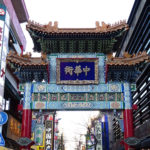


Minato Mirai 21
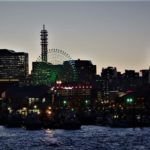
The Minato Mirai district is the area of old docks on the bay. This area has undergone thorough modernisation in recent years, attracting many people who want to spend time outdoors. This district has modern buildings, entertainment parks, restaurants, and shopping centres.
Characteristics of this place are:
- Landmark Tower (296 m), which was the tallest building in Japan in 2014
- International Passenger Terminal with over 400-meter passage for walkers
- Sail Training Ship “NIPPON MARU” was used for many years as a training ship for cadets. Built in 1930. In 1985, it was opened to the public
- Museum of Instant Pasta “Ramen” – with an interactive exhibition presenting the history of pasta
- “Cosmo World“, the amusement park – with the grand Ferris wheel “Cosmo Clock 21“
- The port has a luxury ocean liner, Hikawa Maru, open to visitors today. Launched in the 1930s, the Hikawa Maru had a reputation for service that combined splendid food with beautiful Art Deco interiors. In 1932, Charlie Chaplin travelled on the liner for part of his round-the-world tour.
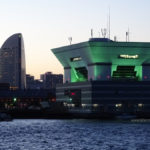




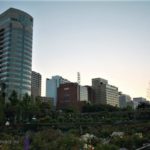
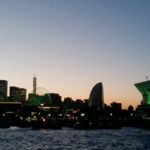
Garden Necklace, YOKOHAMA 2017
When we visited Yokohama, the 33rd National Green Space Fair was held. The fair ran from March 25th to June 4th, 2017. The city was filled with a million flowers, turning its space into one big green garden. The Yokohama Fair was held under the slogan “Yokohama—the city of history and the future.” You can find more information about this project on the City of Yokohama website.


How do I summarise my visit to Tokyo?
How do I summarise my visit to Tokyo? Is it possible? I believe visiting Tokyo is a must for anyone who wants to find the answer to the following question: “What is real Japan like? “
I can say that you have to get to know Tokyo to understand Japan. How do you do it?
- You should see modern Tokyo first to be able to admire the beautiful and traditional Kyoto, Nikko or Kamakura
- You have to travel by train during rush hours to understand what it means to “travel in a crowd”
- For breakfast, eat soup with chopsticks, buy a “bento” box for lunch and eat it while sitting on a bench in the park
- You have to try green tea from a coin machine and love the taste of non-sugared drinks
- Spend the night in a hotel room the size of a traffic kiosk and use the toilet connected to electricity, with an electronic panel in Japanese and music imitating the sound of water
- In the evening, you have to visit colourful and illuminated Akihabara and try to go several times through the intersection of Shibuya
- Try to get lost in the underground of Tokyo Station and find a way out to your hotel (good luck!)
- Learn how to sleep on the train, preferably standing
- Try to communicate in English, which most people do not understand
- Spend one afternoon in the park and admire a view of blooming cherry trees
- Contemplate peace and harmony in a typical Japanese garden
- Visit a few temples and try to get to know their history
- Watch the kabuki theatre spectacle to get to know the cultural heritage of the Japanese
- You must also ride the high-speed Shinkansen train to experience modernity and the high comfort of travel.
Tokyo will stay forever in my heart
We don’t need to see every historical relic, and we don’t have to visit every site on UNESCO’s World Heritage List. We must get to know the different faces of this city, its dynamic pace of life, and changing landscapes. Let us pay attention to the constant merging of tradition and modernity, expressed not only in architecture, culture, and technology but also in Japanese clothing and how it is preserved.
Tokyo is highly diverse. At the beginning of this post, I wrote that Tokyo is extensive, made of glass, crowded, loud, colourful, and overpopulated. Now I need to add more words: Tokyo is a wonderful, surprising, dynamic and thriving city with many faces. This is an extraordinary place; there is no place like it in Japan. This city is different from the rest of the country, and it makes that its energy delights you, absorbs, pulls you in and does not let you forget about yourself.
The experiences brought from Tokyo will remain in my heart and memory. I hope I will come back here again soon!
So far, my other posts about Japan
- Japan – how to organise the trip on your own
- Japan – tailor-made travel plan
- my own gallery of Japan photos
TRIPS:
- Himeji – White Egret Castle
- Kamakura – the seat of the first Shogun
- Kanazawa – Kenrokuen Garden and Castle
- Kyoto and Kansai region
- Matsumoto city overshadowed by the Castle
- Mount Fuji – the most popular icon in Japan
- Nagano Prefecture – The Roof of Japan
- Nara -Japan’s first permanent capital
- Nikko – the light of the sun
*Links from Klook are affiliates.